18 Sep 2026
Cognitive Biases in Frequent Roulette Players' Wheel Selection Strategies
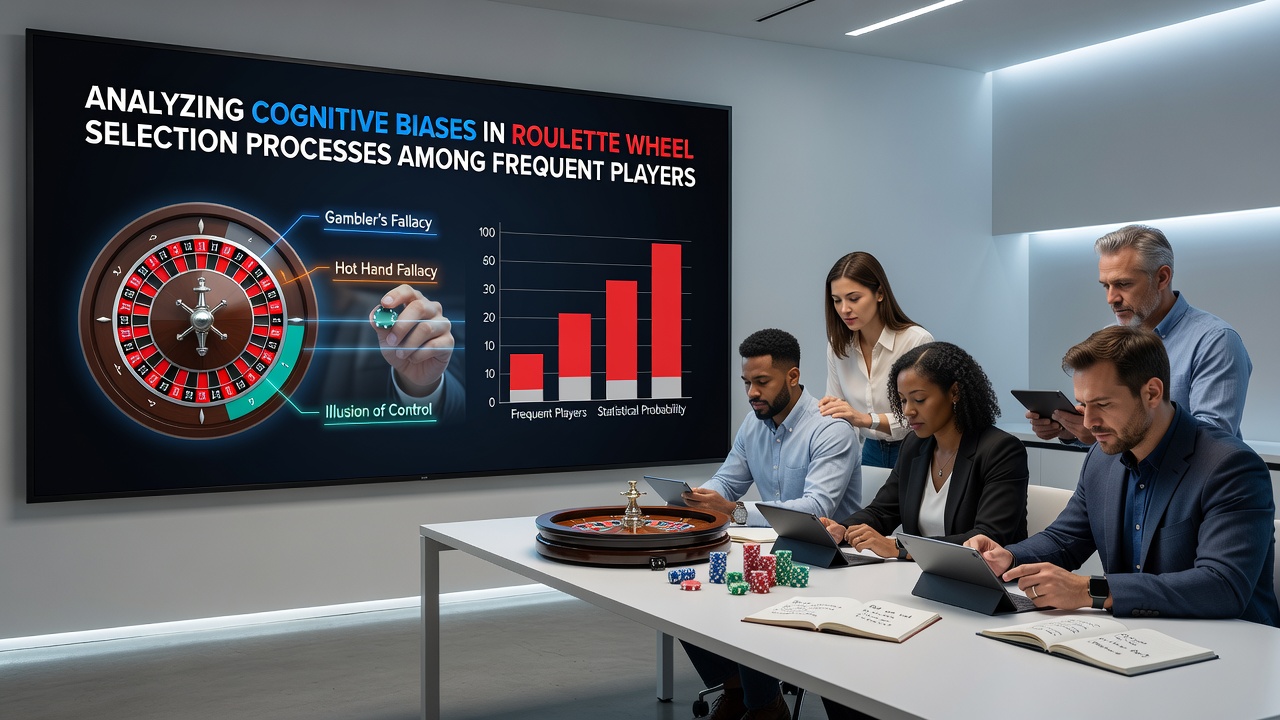
Regular roulette participants often demonstrate distinct patterns when choosing among available wheels, and researchers have documented how cognitive biases shape these decisions over repeated sessions. Data collected from casino environments shows that players tend to favor certain tables based on recent outcomes rather than statistical probability, creating observable selection trends that persist across different venues and regions.
Common Biases in Wheel Selection
Observers note that the gambler's fallacy appears frequently among habitual players who avoid wheels after a string of particular results, assuming those sequences will reverse even though each spin remains independent. Studies from psychology departments at institutions like the University of Nevada have tracked this behavior in controlled settings, revealing that frequent participants adjust their table choices more dramatically after short runs of red or black than occasional visitors do. Confirmation bias compounds the issue when players recall only the spins that support their initial wheel preference while overlooking contradictory data from the same session.
Hot hand perceptions lead some regulars to cluster around wheels that produced recent clusters of wins, prompting shifts in seating that can be measured through observation logs maintained by casino staff. This pattern emerges consistently in tracking data spanning multiple months, and it aligns with broader findings on illusion of control where individuals believe their selection process influences random outcomes.
Data Patterns Among Regular Participants
Analysis of player movement within casino floors indicates that those logging more than twenty sessions per month exhibit stronger bias-driven selections compared with less frequent attendees. Figures from industry reports compiled through September 2026 highlight measurable differences in table occupancy rates tied to recent wheel performance, with certain biases appearing more pronounced during peak evening hours. Researchers at Monash University have examined similar datasets from Australian venues and found that availability heuristics play a role when players default to wheels they encountered during previous visits rather than evaluating current conditions.
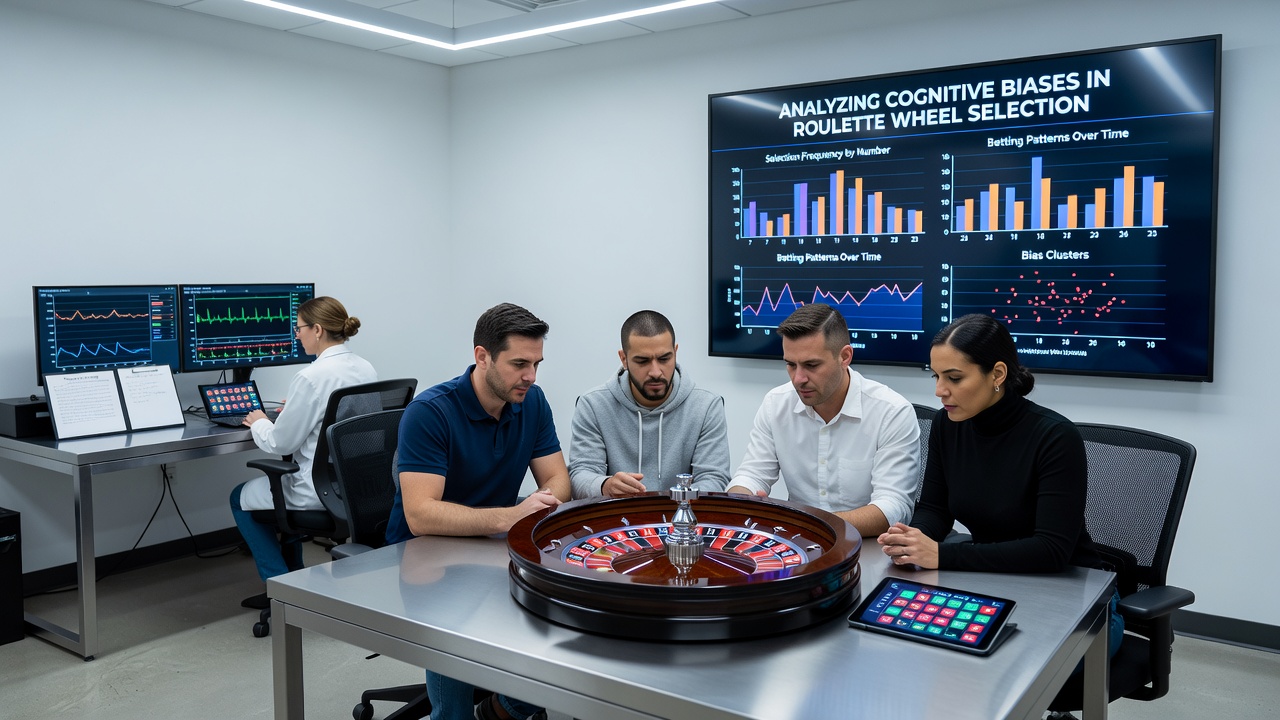
Additional patterns surface when examining how players respond to wheel maintenance schedules, since some regulars interpret minor variations in ball behavior as signals warranting a table switch. Those who've studied these movements report that such decisions often occur without reference to independent randomness tests conducted by gaming laboratories, which continue to confirm uniform distribution across properly calibrated equipment.
Regional Variations in Observed Behavior
European casino records from regulatory bodies outside the UK reveal parallel tendencies, where frequent players migrate between wheels based on perceived streaks even though mechanical audits show no deviation from expected probabilities. Canadian provincial gaming commissions have published aggregate data indicating similar selection clustering in larger facilities, though the intensity varies with session length and time of day. These observations come from anonymized tracking systems that capture table changes without identifying individuals, providing a factual basis for comparing bias prevalence across markets.
What's interesting is how anchoring effects influence initial choices, with players often fixating on the first wheel they encounter during an evening and adjusting subsequent selections around that reference point. Longitudinal studies have quantified this through repeated observations, showing that the effect weakens only after extended exposure to multiple tables within a single visit.
Conclusion
Evidence from multiple jurisdictions demonstrates that cognitive biases systematically affect how frequent roulette participants select among available wheels, producing consistent patterns in movement and preference that can be documented through observational and statistical methods. These findings derive from university research and regulatory reports that focus on behavioral data rather than individual outcomes, offering a clear record of selection processes in operational casino environments.