26 Aug 2026
Casino Layout Strategies: Their Effects on Blackjack Player Circulation and Decision Pacing

Research from the American Gaming Association indicates that casino floor designs directly influence how players navigate blackjack areas and how long they spend making decisions at each table. Data from multiple properties across North America shows patterns where table placement, aisle width, and proximity to high-traffic zones alter both the speed of player entry and exit plus the duration of individual betting rounds.
Core Elements of Floor Layout in Blackjack Zones
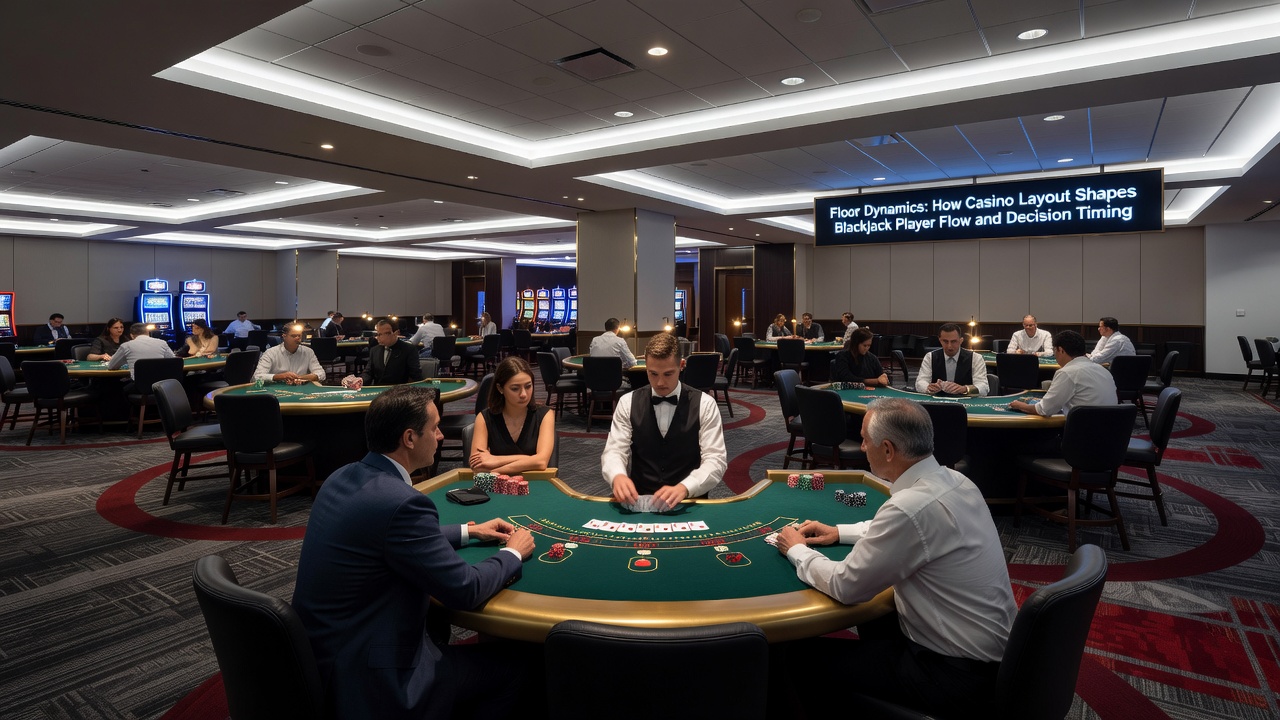
Observers note that blackjack tables positioned near main walkways experience higher turnover rates compared with those tucked into corners or behind pillars. Studies conducted by researchers at the University of Nevada, Las Vegas, found that tables with direct sightlines to entrance points draw 15 to 20 percent more players per hour during peak periods, while isolated tables see steadier but slower player replacement. Aisle width also matters because narrow passages create bottlenecks that force players to pause before approaching available seats, which extends the time between hands.
Lighting levels and sound barriers further shape circulation. Properties using softer, directional lighting over blackjack pits report longer average session times per player, according to figures released by the Nevada Gaming Control Board. In contrast, brighter open areas encourage quicker movement as people respond to visual cues that signal available space elsewhere on the floor.
How Layout Alters Player Flow Patterns
Multiple observational studies reveal that clustered table arrangements increase the likelihood of players hopping between games rather than staying at one seat. When tables sit within easy reach of one another, individuals often scan neighboring hands before committing to a spot, which stretches the interval between decisions. Wider spacing, however, tends to lock players into single tables for extended periods because the physical effort to relocate rises.
One documented pattern appears in properties that stagger blackjack sections across different floor levels. Data collected in Canadian casinos shows that vertical separation reduces cross-table distractions and produces more consistent decision timing, with average hand durations holding steady at 45 to 50 seconds. Horizontal layouts that keep all tables on one level frequently record wider variation in pacing as players react to activity at adjacent stations.
Influence on Decision Timing
Decision timing refers to the seconds that pass between the dealer completing a round and the next player action. Layout elements such as nearby slot machine volume or proximity to restaurant entrances have measurable effects. Research published by the International Gaming Institute links higher ambient noise levels to slightly longer deliberation periods, as players pause to filter distractions before signaling hit or stand choices.
Tables placed along primary traffic corridors show faster average decision speeds during off-peak hours yet slower speeds during busy periods because passing crowds create interruptions. In August 2026 several major properties in the United States adjusted aisle configurations after internal tracking data indicated that repositioning certain blackjack stations reduced average decision delays by up to eight seconds per hand.
Observed Variations Across Different Property Types
Large resort casinos often employ curved pit designs that funnel players toward central blackjack areas, producing steady but controlled flow. Smaller regional venues tend toward linear arrangements that allow quicker entry and exit, resulting in higher table rotation but shorter individual stays. Figures from Australian state gaming reports confirm that these layout differences correlate with measurable shifts in hand frequency per table per hour.
Electronic sign placement near tables also contributes. When payout boards or rule displays sit directly above seated players, decision intervals shorten because information remains visible without head turns. When signs require players to look away from the table, timing stretches as attention shifts between game and display.
Conclusion
Available data from regulatory bodies and academic sources demonstrates consistent relationships between casino floor configurations and both player circulation patterns plus hand-by-hand decision pacing in blackjack. Properties continue to monitor these variables through internal tracking systems, and adjustments to table placement, lighting, and pathway design produce measurable changes in session length and hand frequency. Continued collection of operational statistics across regions will further clarify how specific layout choices shape gameplay dynamics over time.