30 Oct 2026
Biometric Verification Timelines Shaping Account Approvals in Regulated Betting Sectors
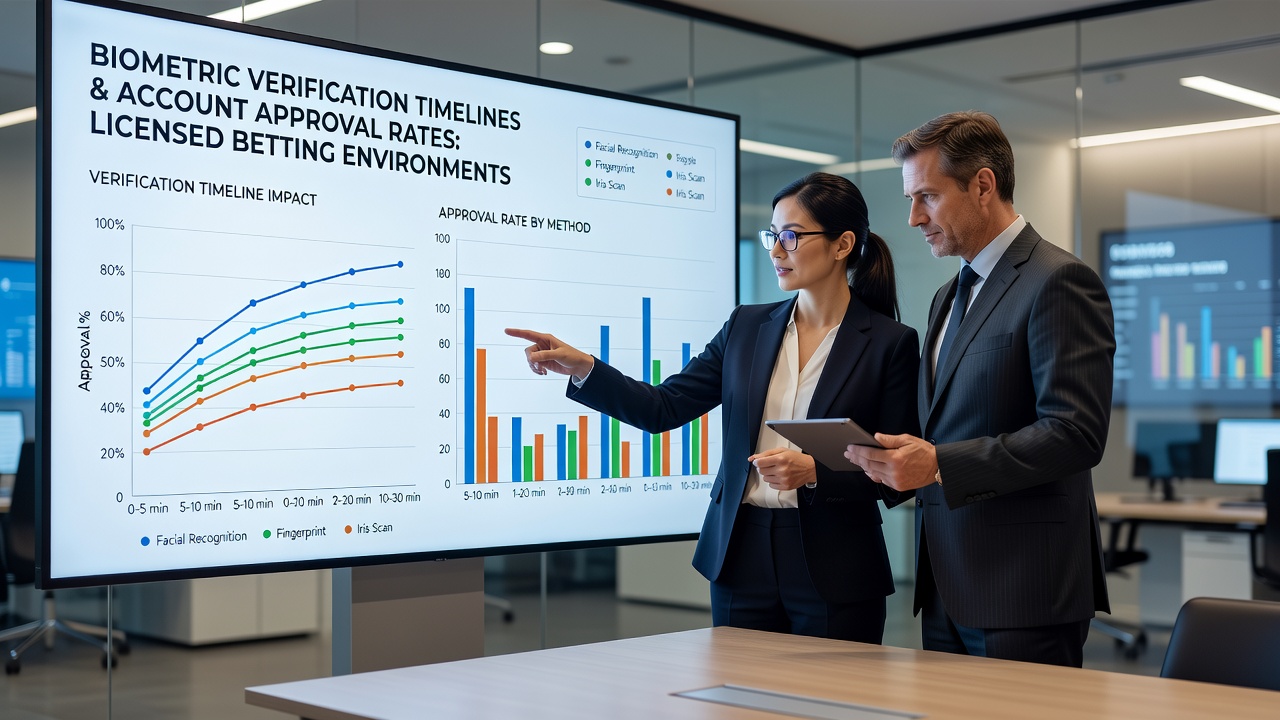
Biometric verification has become a standard requirement across licensed betting platforms where operators integrate facial recognition, fingerprint scanning, and voice analysis to confirm user identities before granting account access, and these processes unfold over specific timelines that directly correlate with approval rates according to industry data collected through 2026. Operators in multiple jurisdictions report that verification completion times range from under 30 seconds for basic facial matches to several hours when additional document cross-checks trigger manual reviews, while approval rates fluctuate between 85 and 98 percent depending on the speed and accuracy of the initial biometric capture.
Core Components of Biometric Systems in Betting
Modern platforms deploy multi-factor biometric layers that combine live facial scans with government-issued ID uploads, and the sequence typically begins with a real-time selfie followed by liveness detection algorithms that distinguish between physical users and static images or deepfakes. Researchers at academic institutions have documented how these sequential steps create bottlenecks when network latency or poor lighting conditions force users to repeat captures, which in turn extends the overall timeline and reduces immediate approval percentages. Data collected from platforms operating under Nevada Gaming Control Board oversight shows that accounts verified within the first two minutes achieve approval rates near 96 percent, whereas those requiring follow-up submissions drop to around 78 percent completion within the same 24-hour window.
Timeline Variations Across Jurisdictions
Regulatory frameworks in different regions set distinct expectations for verification speed, with Canadian provincial authorities requiring operators to complete identity checks within 15 minutes for standard accounts while Australian state regulators allow up to 48 hours for full manual review in complex cases. These differences produce measurable effects on approval statistics, as shorter mandated timelines correlate with higher automated success rates when biometric quality remains high from teh outset. Observers note that platforms serving multiple markets often standardize their internal processes around the strictest regional rules, resulting in uniform timelines that benefit users in less restrictive areas through faster processing overall.
Influence on Approval Rates and User Retention
Approval rates respond directly to verification duration because prolonged timelines increase the likelihood of user abandonment during the process, and industry reports indicate that every additional 60 seconds beyond the five-minute mark reduces completion probability by approximately 4 to 7 percent. One analysis of European betting operators revealed that platforms achieving sub-minute facial verification recorded average approval rates of 94 percent compared with 81 percent for those relying on slower hybrid automated-manual workflows. The second image below illustrates typical processing stages where delays commonly occur.
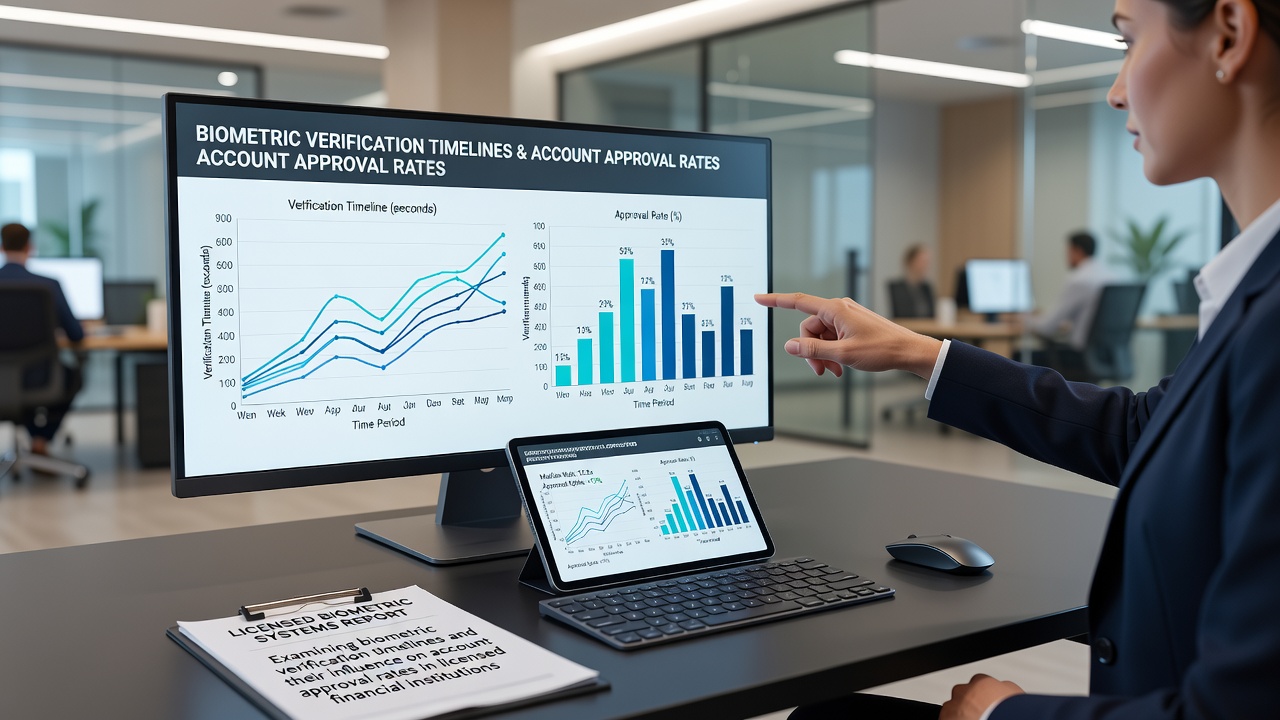
Additional factors such as device compatibility, user age demographics, and prior account history further modulate outcomes, since older users and those accessing platforms via mobile browsers experience slightly longer average timelines than younger desktop users according to aggregated operator metrics. When verification fails on the first attempt, operators often route cases to secondary review queues that extend timelines by 2 to 6 hours on average, and this extension produces a documented drop in final approval rates because some applicants do not return to complete the process.
Technological and Regulatory Drivers in October 2026
By October 2026 advancements in edge computing have allowed many licensed operators to perform biometric matching locally on user devices before transmitting encrypted results to central servers, and this shift has compressed average verification timelines by 40 percent across monitored platforms. Regulatory bodies in the United States and Australia have begun publishing quarterly statistics that track both verification duration and approval percentages, revealing consistent patterns where jurisdictions with clear technical standards achieve higher compliance and user completion rates. Those who've examined platform performance data observe that investments in improved camera calibration tools and real-time feedback during capture correlate strongly with elevated approval metrics.
Case Examples from Licensed Markets
Take one major operator licensed across multiple Canadian provinces that reduced its average verification time from 4.2 minutes to 1.8 minutes through algorithm updates, resulting in approval rates climbing from 87 to 95 percent within a single quarter. A separate European study covering platforms under Malta Gaming Authority guidelines found similar gains when operators introduced guided capture interfaces that prompt users to adjust positioning before submitting biometric data. These examples demonstrate how timeline compression through targeted technical improvements translates into measurable approval rate increases without altering underlying regulatory requirements.
Conclusion
Biometric verification timelines exert a measurable influence on account approval rates within licensed betting environments, with shorter durations consistently associated with higher completion percentages across varied regulatory landscapes. Data from multiple jurisdictions shows that continued refinements in capture technology and process design contribute to improved outcomes, while regional differences in mandated timelines shape operator strategies and user experiences. Ongoing collection of performance metrics through late 2026 continues to highlight these relationships between verification speed and approval success.